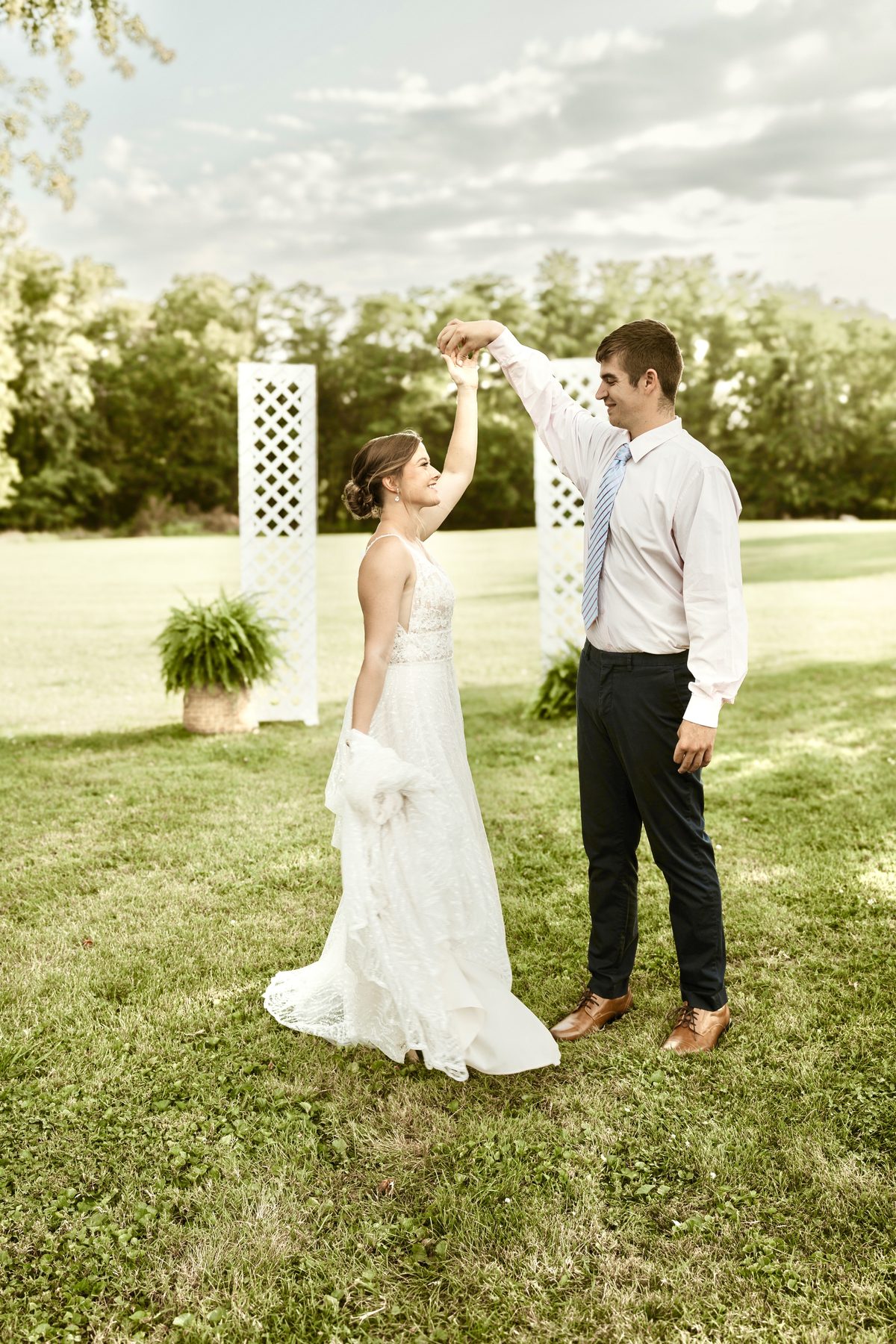
Start with the list, and hold it
The guest list determines the venue, the budget, the food and the feel of the day. Every other decision is downstream, and changing the list later changes everything.
Set a rule before you set a number. Something like: immediate family, plus people we have both seen in the last year. A rule you can state is defensible. A number you are trying to hit is not, and it turns every conversation into a negotiation.
Expect to hold the line more than once, including with people who love you. This is the hardest part of a small wedding and the only genuinely difficult one.
Where the money actually goes
A small wedding is not proportionally cheaper. Photography, attire, rings, flowers for the ceremony, music and the officiant cost roughly what they cost at any size. What falls is anything charged per head: food, drink, chairs, place settings, cake.
The useful consequence is that a per-guest budget that would be impossible at a hundred and fifty becomes ordinary at thirty. Couples routinely serve a plated dinner with real wine at a small wedding for less than a buffet would cost at a large one.
Decide early where the difference goes. The three that consistently return the most: food, photography, and hours — booking a venue for long enough that nothing is rushed.
Choosing a venue at this size
Capacity is the wrong first filter. A room rated for a hundred will swallow thirty guests and leave your wedding looking like a poorly attended one. Ask instead how a gathering of your size actually sits in the room.
The questions that matter: what is included, how many hours you get, whether setup is inside those hours, whether one room can do both ceremony and dinner, what the food arrangements are, and what the alcohol policy is. Get all of it in writing before you pay anything.
Ask to see the space empty and in daylight. Styled photographs tell you what a venue looks like at its best with a full styling budget. You need to know what it looks like as a room.
Ceremony and dinner in one room
At this size, a flip between ceremony and dinner takes far less time than people expect — twenty to thirty minutes with a couple of people working. That means you do not need two locations, guests do not have to drive between them, and nobody is lost in a gap.
The alternative, which many small weddings choose, is to skip the reconfiguration entirely: guests are already at the table, the ceremony happens at one end of the room, and everyone turns their chair.
A workable timeline
Late afternoon works best. Something like: ceremony at four, drinks and photographs until five, dinner at five thirty, speeches over dessert, the evening running as long as you have the room for.
Resist the urge to schedule the evening tightly. Small weddings do not need a programme — twenty people do not have to be moved through anything. The couples who enjoy theirs most consistently report that the best part was a long dinner that nobody hurried.
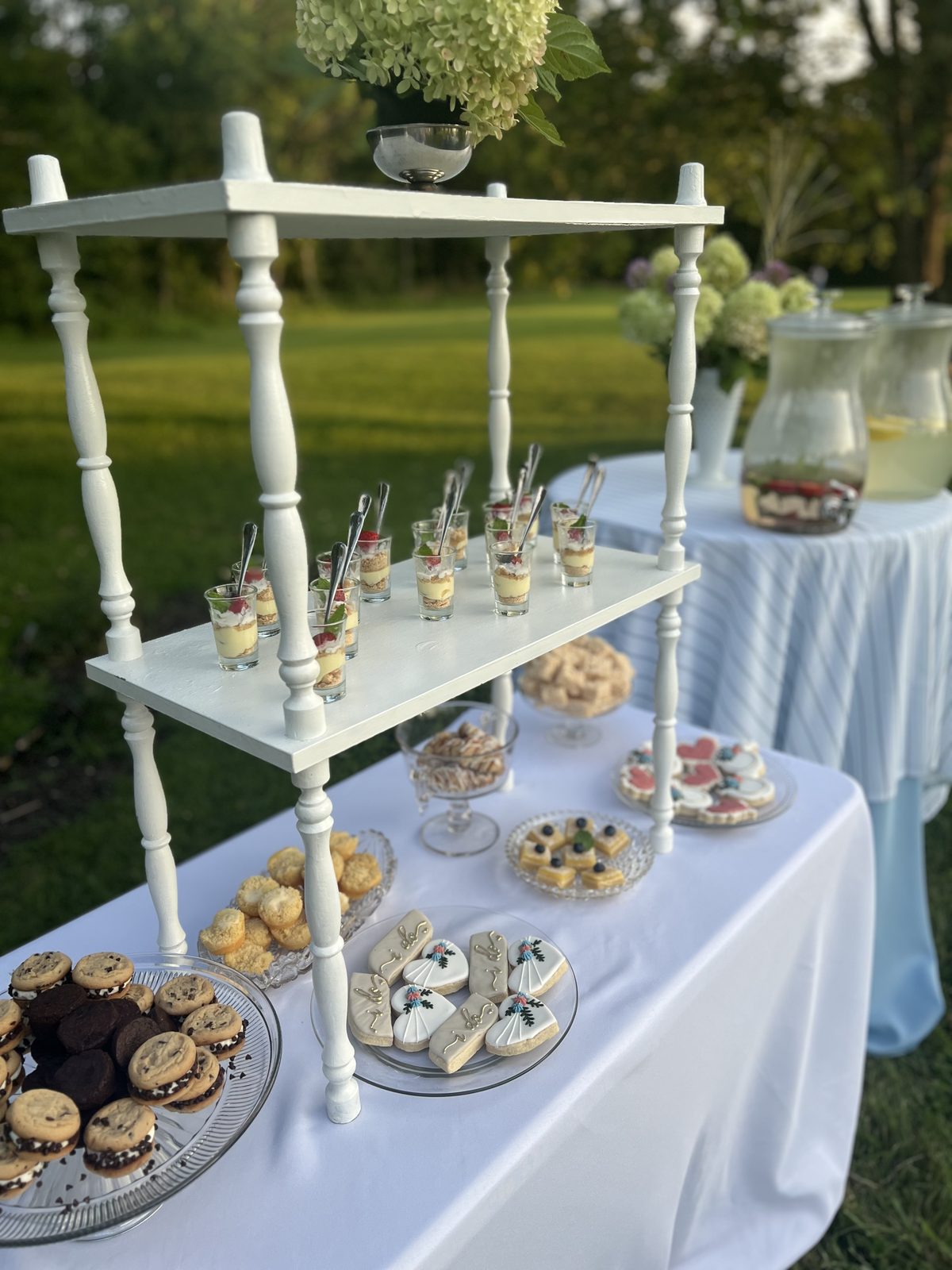
Food is the centrepiece
At thirty guests, the meal stops being catering and becomes dinner. That changes what is possible: courses, a menu chosen rather than selected from a package, dietary needs handled individually rather than as a "vegetarian option".
It also changes what matters in a venue. A room with a real kitchen and someone who cooks is a different proposition from a room that a caterer visits. Ask which you are getting.
Flowers
Pick your date first, then ask what is growing. A palette chosen in advance and sourced to match is how flower budgets double. Building from what is in season locally is how small weddings end up looking like they belong to the month they happened in — and it is substantially cheaper.
At this size you need far less than a wedding planner's standard list implies. One good arrangement where the ceremony happens, something running down the table, and the bouquet. That is often the whole job.
What to cut without regret
Seating charts, at under thirty. Favours, which are left on tables everywhere. A receiving line, because you will speak to everyone anyway. A formal cake cutting, unless you want one. Bouquet and garter tosses, which exist to give a crowd something to watch. A DJ, when a playlist and a speaker will do.
Almost every tradition in a standard wedding programme exists to manage a crowd. Without a crowd, most of them are filler.
What not to cut
A photographer. Thirty guests will not document it for you, and a small wedding is over quickly. Someone running the day who is not you or your mother. And enough hours in the venue that the day does not feel like a schedule.
Telling people
The invitations will be the first time some people learn they are not invited. Get ahead of it. Tell the likely-hurt in person or by phone, before anything is posted, and give them the reason plainly — we are doing something very small. Most people accept it. The ones who do not would not have been persuaded by a larger guest list.
A rough order of operations
Twelve months out: the list, the budget, the date. Ten months: the venue, then the photographer. Six months: food, attire, officiant. Three months: flowers, invitations, the details. One month: final numbers. Two weeks: confirm everything and stop making decisions.
That last instruction is the one worth keeping. A small wedding can be fully decided a fortnight out, which means the week of your wedding can be spent seeing the people who have travelled to see you.
If you are planning something small in Mid-Missouri, tell us what you are picturing.