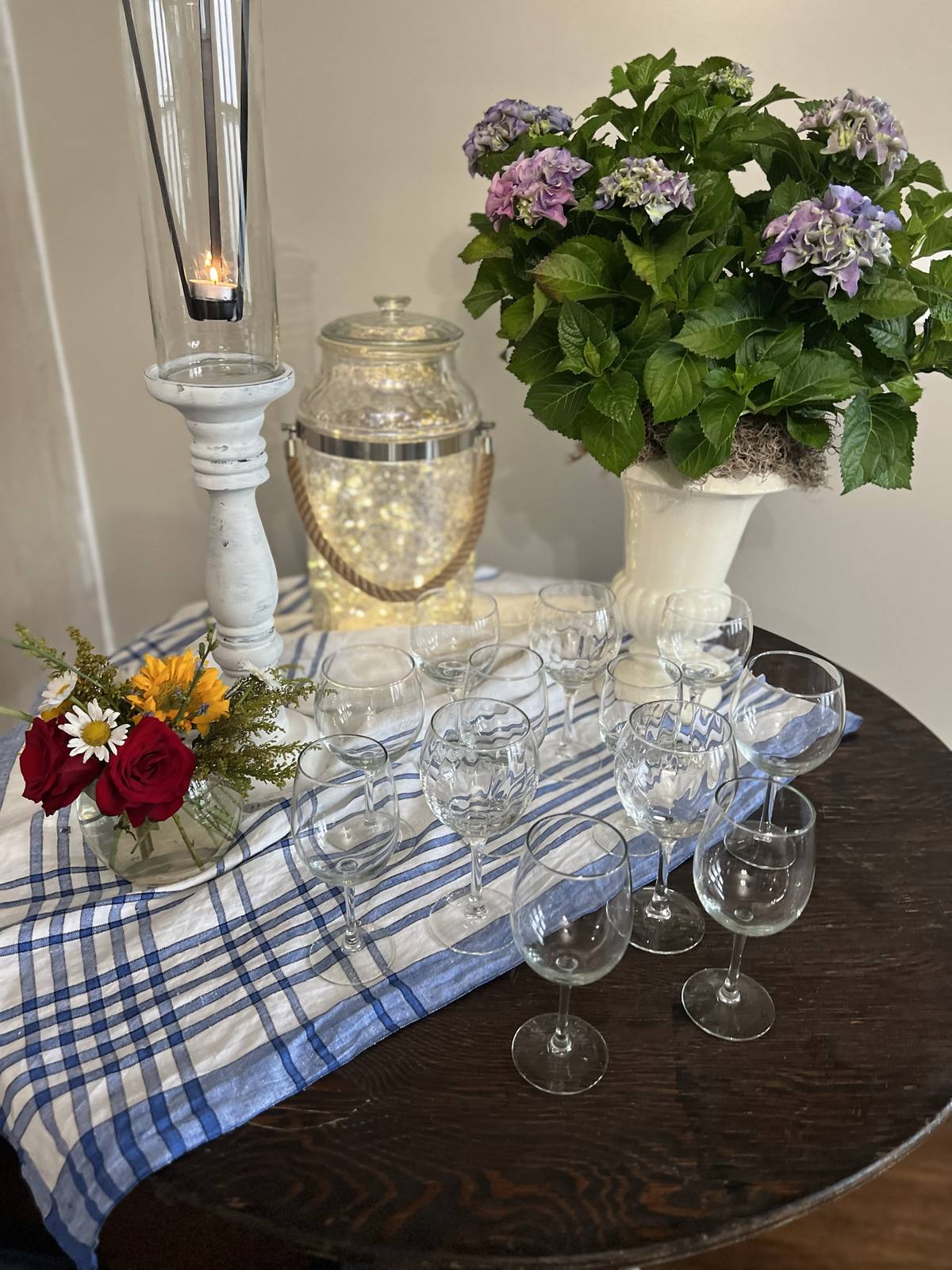
Decide what the gathering is for
Not the occasion — the purpose. Is it for people to meet each other, or to see one person? To mark something, or to pass an evening well? To talk, or to do something together?
This single answer determines seating, timing, food and whether music should be loud enough to notice. A gathering where the point is conversation and a gathering where the point is celebration want opposite rooms.
Invite properly
Say what it is, when it starts, when it ends, what to expect and what to wear. An invitation that omits the ending produces guests who do not know whether they are staying for dinner. An invitation that omits the dress code produces one person who is wrong, and they will remember it.
Give a reply date and chase the people who miss it. Chasing feels rude and is not. People forget.
Expect a reply rate
Out of a hundred invitations to a local gathering, roughly seventy to eighty attend. For events requiring travel, closer to half. For open-house formats, plan food for the total invited and seating for a fraction, because they arrive across a window.
Timing that works
Late morning for showers and brunches. Early evening for dinners. A stated end time, always — it is the kindest thing on an invitation, because it tells people what they are agreeing to.
Build in more setup than you think. The single most common regret among first-time hosts is being unfinished when the first guest arrives. Aim to be done half an hour early. You will not be, and you will be done on time.
Food: decide the format first
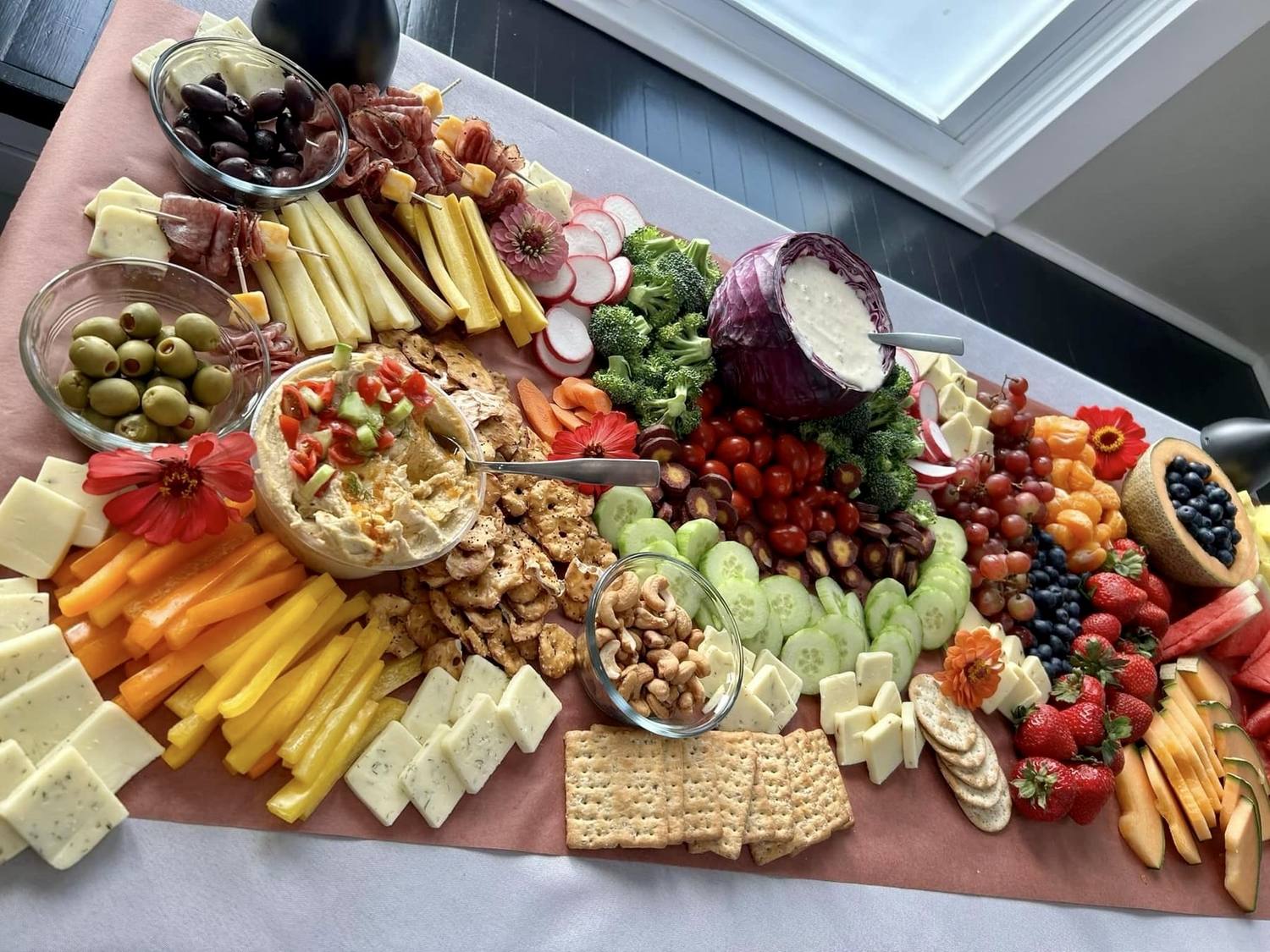
Seated meal, buffet, or grazing. Seated is the most work and produces the best conversation. Buffet moves more people but splits the room into a queue and a seated half. Grazing suits standing and mingling and excludes anyone who cannot stand for two hours.
Whatever you choose, do not attempt something you have never cooked before for a number you have never cooked for. Cook something you can make without concentrating, or hand it to someone who does it for a living.
Drink, honestly
One welcome drink poured for people as they arrive does more for a room than a full bar. It gives arriving guests something to hold, it gives you a reason to greet each one, and it starts everyone at the same point.
Always have something good that is not alcoholic. Not a jug of water — something that has been made. A third of most rooms is not drinking, for reasons that are nobody's business.
Seat people
At anything over ten, seat them. Letting people choose sounds relaxed and reliably produces couples sitting together, one person stranded, and the two people you most wanted to introduce at opposite ends.
Seat talkers next to quiet people rather than in clusters. Split couples, unless one of them would hate it. Put yourself near the door or the kitchen, wherever you will need to get up from.
The arrival is the whole first impression
Somebody at the door. A drink within thirty seconds. Somewhere obvious to put a coat. A person to be introduced to. Guests decide how the evening is going in the first two minutes, and almost all of that is logistics rather than charm.
Your job during
Not cooking. Not clearing. Your job is to watch the room: who is standing alone, whose glass is empty, whether the conversation has died at one end of the table. You cannot do that from a kitchen, which is the argument for either cooking something that needs no attention or not cooking at all.
Make something happen in the middle
Long gatherings sag around two-thirds through. A toast, a course change, moving to another room, something brought out — any small event resets the room's attention. It does not need to be a programme. It needs to be a moment.
Ending well
Have an ending. Coffee, a last thing on the table, a thank-you said out loud. Gatherings that trail off leave people unsure whether to go, and the last hour becomes an endurance test for everyone including you.
When something goes wrong
Something will. Food late, a guest who does not turn up, a dish that failed, a person who has had too much. The rule: fix it quietly, do not announce it, and do not apologise more than once.
Guests take their cue entirely from the host. A host who is visibly distressed makes the room uncomfortable about something most of them had not noticed. A host who keeps moving is hosting a gathering where nothing went wrong.
The only thing people remember
Not the food, though good food helps. Not the flowers. They remember whether they felt welcome, whether they talked to someone interesting, and whether the person hosting seemed glad they came.
Everything above exists to make that last one possible — because a host who has decided everything in advance is a host who can spend the evening being glad.
If you want someone else to hold the logistics, that is what we do.