Everyone has to see your hands
If you are demonstrating anything — flowers, food, a craft, a technique — every person needs a clear view of a working surface. That rules out long thin rooms and rooms with a structural column in the middle, and it makes a chevron or shallow horseshoe arrangement better than rows.
Working table space is not dining table space
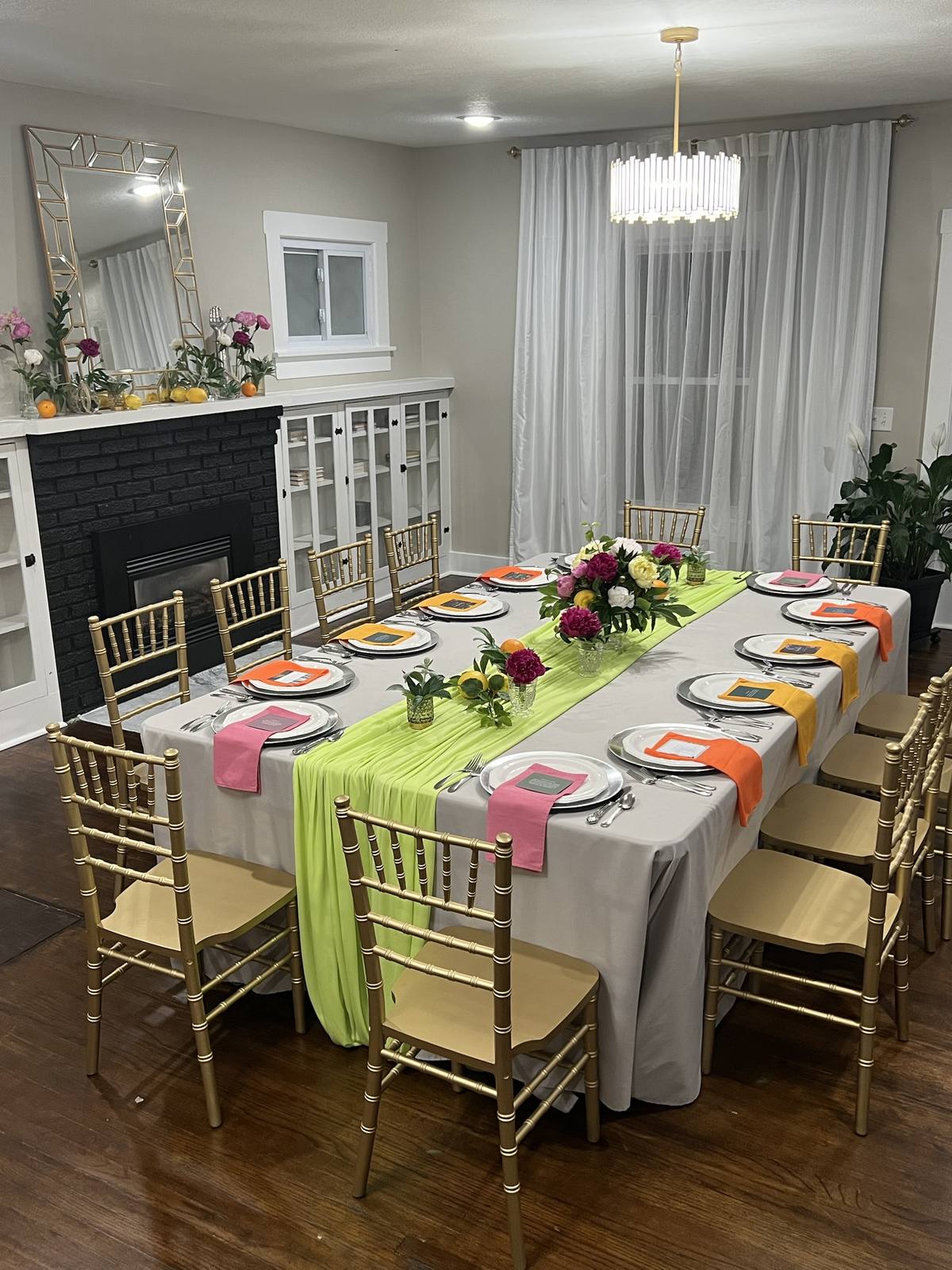
A place setting needs about sixty centimetres of width. A person building something needs closer to ninety, plus somewhere to put the materials they are not currently using. A room that seats twenty for dinner may only work for twelve in a workshop, and finding that out on the day is bad.
Power, and where it is
Ask where the outlets are, not whether there are any. A glue gun, a laptop, a ring light and a kettle on one circuit at the far end of a room is a session interrupted by an extension lead.
Water and a way to clean up
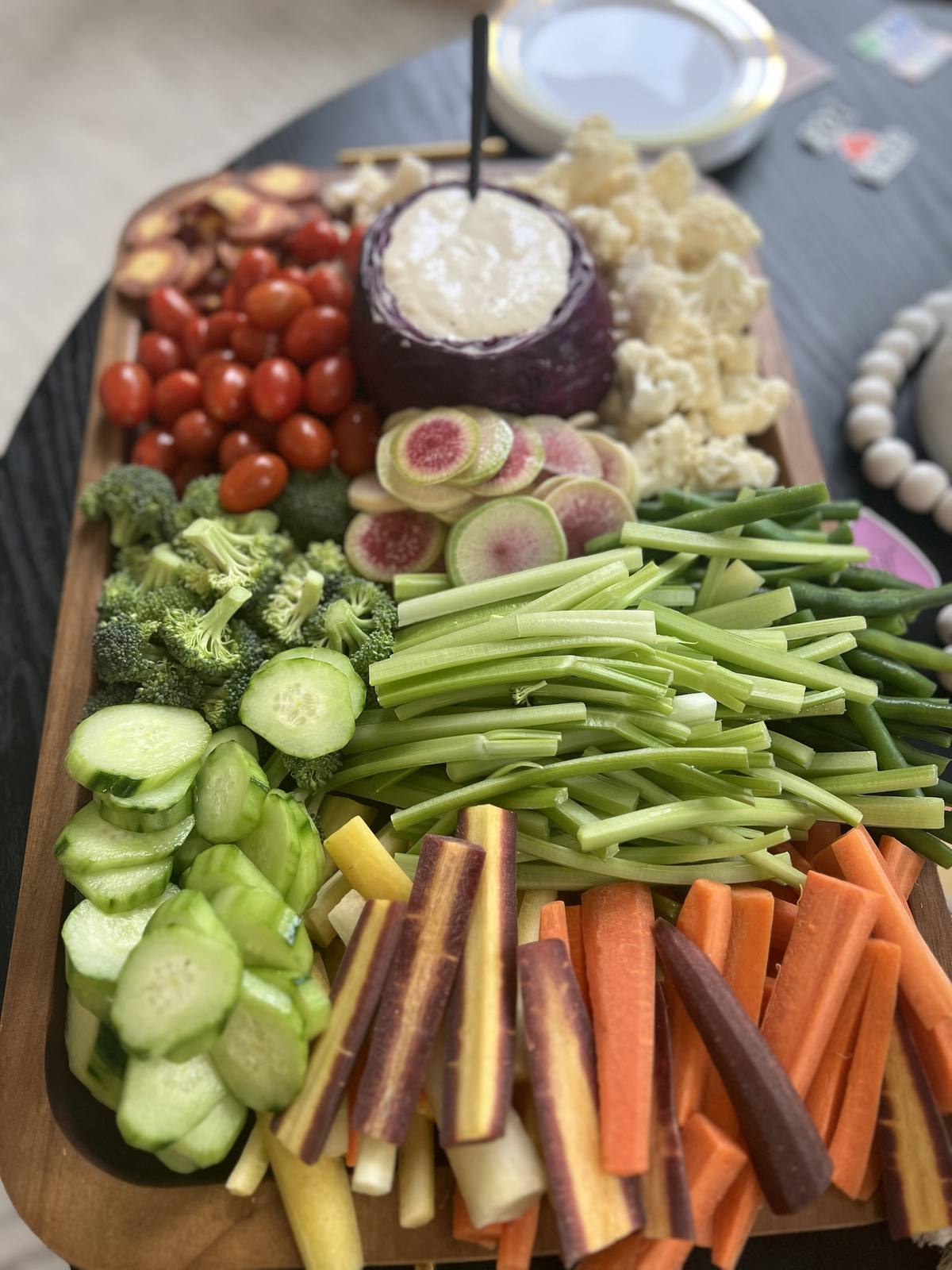
Almost every hands-on workshop involves water at some point — conditioning stems, rinsing brushes, washing hands before food. A kitchen or a proper sink within reach of the room changes how a session runs.
The room is part of what you are selling
People pay more for a workshop in a space they want to photograph. That is not vanity; it is how the session gets shared, and how the next one fills. A room with good natural light and some character does marketing for you that a community hall cannot.
Timing and the second half
Attention drops around the seventy-minute mark regardless of subject. Build a break in, and make sure the venue can produce coffee and something to eat at that point without you leaving the room.
Practical questions to ask
Can I get in an hour early to lay out materials? Is there somewhere to store boxes during the session? What is the wifi actually like? Can I leave things overnight if I am running two days? None of these are exotic, and all of them have caught people out.
If you teach and you are looking for somewhere in Mid-Missouri, tell us what your session needs.