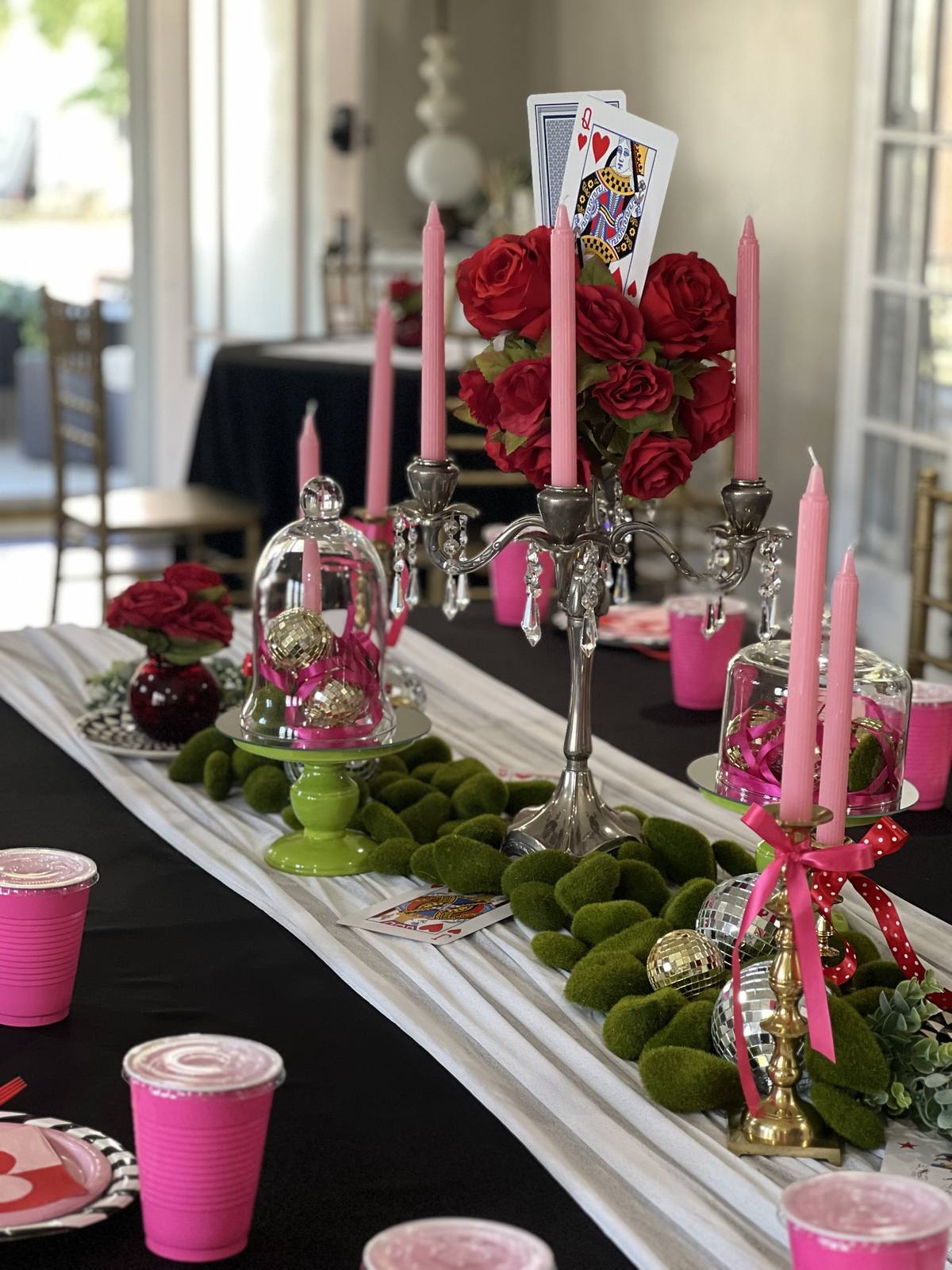
The real cost of hosting at home
Count it honestly and it is two days. A day of cleaning and rearranging beforehand, the evening itself spent half in the kitchen, and a morning of putting the house back. The dinner is three hours. The hosting is considerably longer.
There is also the part nobody says out loud: many people do not want twenty guests walking through their house. That is not unfriendliness. It is a reasonable preference, and it has quietly stopped a lot of gatherings from happening at all.
What you are actually buying
When people book a small space for a dinner, they are rarely buying square footage. They are buying the absence of preparation and the absence of aftermath — walking in to a table that is already set, and walking out without loading a dishwasher.

What makes a room work for a dinner
One table, if the number allows it. The difference between one long table and three round ones is the difference between a single conversation and three separate parties, and for ten to twenty-five people the single conversation is almost always what you want.
Beyond that: light you can dim, a kitchen close enough that food arrives hot, and a room small enough that someone at one end can make a toast heard at the other.
Occasions that do not need an occasion
Birthdays and anniversaries are obvious. Less obvious, and increasingly common: a supper club that meets quarterly, a group of friends who cook together, a family that gathers when someone is home from out of state, a business that wants to thank twelve people properly rather than generically.
None of these are milestones. All of them are reasons.
A note on the food
You have three options: bring it, have it catered, or book somewhere that cooks. Each is legitimate. The one worth thinking hardest about is bringing it yourself, because the whole point was not to spend the evening in the kitchen — and it is very easy to recreate the problem you were escaping.
If a dinner is taking shape in your head, tell us about it.